Author: Danny McIntosh

Custom Stairs and Railings: Transforming Function Into Architectural Beauty

Stairs and Railings

A staircase is often seen as a simple structure that connects one level of a building to another. Yet in well designed spaces, it becomes much more than a pathway. It can be a visual centerpiece, a reflection of craftsmanship, and a defining architectural feature that shapes the entire character of a home or building. When stairs and railings are customized, they move beyond basic utility and become a blend of artistry, design, and structural precision.

Custom Stairs and Railings offer the opportunity to create something unique that fits both the space and the vision of the homeowner or designer. Instead of choosing a standard layout that may feel ordinary, custom solutions allow every detail to be tailored, from the materials and finishes to the shape and style. The result is a staircase that feels intentional, cohesive, and visually striking.

The Role of Custom Staircases in Interior Design

In many interiors, the staircase naturally becomes a focal point. Because it occupies vertical space and often sits near entryways or living areas, it attracts attention the moment someone enters the room. A thoughtfully designed staircase can therefore influence the entire atmosphere of a space.

Custom stairs allow designers and homeowners to match the staircase to the surrounding architecture. A modern home might feature sleek floating steps paired with minimalist railings. A traditional interior might incorporate rich wood treads and decorative balusters that add warmth and elegance.

Beyond style, custom stairs can also solve spatial challenges. Unique layouts may require curved stairs, spiral designs, or compact configurations that maximize movement without sacrificing comfort. Custom construction ensures that the staircase fits seamlessly into the floor plan rather than forcing the layout to adapt to a generic structure.

Materials That Define Custom Stair Designs

Material selection plays a significant role in how a staircase looks and performs over time. Custom stair construction allows a wide variety of materials to be combined in creative ways.

Wood remains one of the most popular choices for stair treads because of its durability and natural beauty. Different wood species provide varying textures and colors, allowing designers to create either a bold contrast or a subtle harmony with surrounding floors.

Metal is commonly used in structural supports and railings. Steel and wrought iron can provide strength while also introducing intricate patterns or clean geometric lines. These materials work particularly well in contemporary or industrial inspired designs.

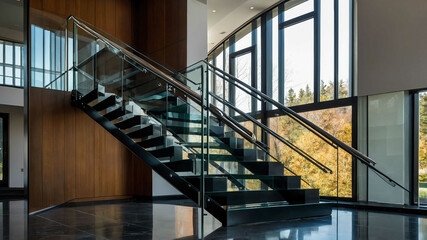
Glass has become increasingly popular in modern staircases. Transparent panels can replace traditional balusters to create an open and airy look. This approach allows light to pass through the staircase, which can make smaller interiors feel larger and brighter.

Stone and concrete are also used in certain designs, particularly when durability and dramatic presence are desired. When combined with wood or metal elements, these materials can produce a striking blend of textures.

Railings That Balance Safety and Style

Railings are essential components of any staircase, providing support and protection while people move between levels. In custom designs, railings also serve as decorative elements that enhance the visual impact of the entire staircase.

Traditional railing systems often include vertical balusters connected by a handrail. These can be crafted from wood, iron, or other metals and shaped to match the architectural style of the interior. Decorative details such as scrollwork or carved patterns can add character and elegance.

Modern railing designs often emphasize simplicity and transparency. Cable rail systems use thin metal cables stretched horizontally between posts, creating a sleek appearance while maintaining safety. Glass panel railings provide an even cleaner look and allow unobstructed views across open spaces.

The handrail itself is another design opportunity. A smooth wooden rail can add warmth and comfort, while a metal rail may introduce a contemporary edge. In custom projects, the shape and finish of the handrail are carefully selected to complement the overall design language of the space.

Custom Staircases as Architectural Statements

When a staircase is designed with intention, it can become one of the most memorable features of a building. Custom staircases often incorporate creative shapes and dramatic layouts that turn a functional element into a visual experience.

Curved staircases are particularly striking. Their flowing lines create a sense of movement and elegance that naturally draws attention. Spiral staircases, on the other hand, offer a sculptural quality that works well in compact spaces while still making a strong design statement.

Floating staircases are another popular option in modern architecture. These designs use concealed supports to give the illusion that each step is suspended in midair. The result is a light and minimalist aesthetic that feels both innovative and sophisticated.

Custom designs allow architects and designers to experiment with proportions, angles, and materials. By doing so, they can create staircases that feel integrated with the entire structure rather than appearing as an afterthought.

The Importance of Craftsmanship and Precision

Building custom stairs and railings requires careful planning and skilled craftsmanship. Every measurement must be accurate to ensure both safety and comfort. Even small errors in the height or depth of steps can affect how people move up and down the staircase.

Professional builders pay close attention to factors such as tread depth, riser height, and structural support. These details ensure that the staircase meets safety standards while also providing a comfortable walking rhythm.

Craftsmanship also influences the final appearance of the staircase. Smooth finishes, precise joints, and well aligned components all contribute to a polished result. Because custom staircases often serve as focal points, the quality of workmanship becomes highly visible.

Modern technology can assist in the design process. Digital modeling tools allow designers to visualize the staircase before construction begins. This helps ensure that the proportions and materials work well within the surrounding space.

Personalization and Long Term Value

One of the greatest advantages of custom stairs and railings is the ability to personalize every detail. Homeowners can choose finishes, shapes, and materials that reflect their taste and lifestyle. This level of customization allows the staircase to feel like a natural extension of the home rather than a generic installation.

Custom staircases can also increase the perceived value of a property. Unique architectural features often leave lasting impressions on visitors and potential buyers. A beautifully crafted staircase can make an interior feel more refined and thoughtfully designed.

Durability is another important benefit. When high quality materials and construction techniques are used, custom staircases can last for decades with minimal maintenance. Over time, the staircase becomes a permanent part of the building’s character.

Final Thoughts

Custom stairs and railings demonstrate how functional elements can become works of architectural art. By combining thoughtful design, quality materials, and skilled craftsmanship, a staircase can transform from a simple structural necessity into a defining feature of a space.

Whether the style is traditional, modern, or somewhere in between, customization allows each staircase to reflect the personality of the environment it serves. When carefully designed and built, custom stairs and railings provide beauty, safety, and long lasting value that enhances both everyday living and the overall architectural experience.

A Complete Guide to Getting Into the Cleaning Business for Long-Term Success

Starting a cleaning business has become one of the most popular entrepreneurial paths for individuals seeking a flexible schedule, low startup costs, and a steady stream of clients. The growing demand for residential, commercial, and specialized cleaning services continues to create opportunities for both new and experienced business owners.

As people prioritize healthier environments, sanitized spaces, and reliable cleaning solutions, the industry shows no signs of slowing down. Whether you’re looking to transition into self-employment or expand your service-based portfolio, entering the cleaning business can open doors to stability, growth, and financial independence. Understanding how the industry works and what steps are required to start successfully can significantly increase your chances of building a thriving cleaning company. Make sure to check out 10 Day Cleaning Company Review.

cleaning

One of the greatest advantages of getting into the cleaning business is the minimal barrier to entry. Unlike industries that require advanced degrees or large investments, most cleaning businesses can begin with basic supplies, a willingness to work hard, and a commitment to quality. Many entrepreneurs start small by offering services to family, friends, or local clients before expanding their reach. This low-cost approach allows you to test the market, gather feedback, and refine your services without overwhelming financial pressure. Over time, as your client base grows, you can invest in better equipment, additional staff, and more specialized cleaning services.

Before diving into the cleaning business, it’s important to identify which type of cleaning services you want to offer. The industry includes a broad range of specialties such as residential cleaning, commercial cleaning, deep cleaning, move-in/move-out services, vacation rental cleaning, construction cleanup, eco-friendly cleaning, and specialty sanitation services. Each category appeals to different types of clients and requires varying levels of expertise and equipment. Residential cleaning often focuses on routine upkeep, household organization, and surface sanitation. Commercial cleaning involves maintaining offices, facilities, and workspaces, which may require working after business hours and managing larger spaces. Understanding your strengths and interests will help you determine which cleaning niche suits your business goals.

Another critical step in entering this industry is conducting market research. Before launching your cleaning business, evaluate the demand for different cleaning services in your target area. Identify potential competitors, assess pricing structures, and analyze customer expectations. Understanding what clients value—whether affordability, eco-friendly products, or fast turnaround times—helps you tailor your services effectively. Market research also allows you to identify service gaps that you can fill. Offering unique or underserved cleaning solutions can help you stand out and attract a loyal customer base early in your business journey.

Once you’ve identified your niche and completed your research, it’s important to create a detailed business plan. A business plan outlines your goals, target market, startup costs, pricing strategies, marketing plans, and long-term growth projections. This document acts as a roadmap that guides your decisions and helps you stay focused on your objectives. A clear business plan also provides direction if you ever choose to seek financial assistance or partnerships. By laying out the structure of your cleaning business early on, you create a stable foundation for growth and sustainability.

Securing the right tools and supplies is essential to offering high-quality cleaning services. Depending on your cleaning niche, you may need basic supplies such as microfiber cloths, vacuum cleaners, disinfectants, mops, and protective gloves. For more specialized cleaning, equipment like steam cleaners, industrial vacuums, carpet extractors, or eco-friendly solutions may be required. Investing in durable and effective tools ensures that you can deliver consistent results and maintain client satisfaction. As your cleaning business grows, upgrading your equipment and offering more advanced solutions can help you remain competitive and expand your service offerings.

Pricing your cleaning services correctly is crucial to building a successful business. Research competitor pricing and consider factors like property size, cleaning difficulty, frequency of service, and any add-on treatments. Offering different pricing packages—such as standard cleaning, deep cleaning, or customized plans—gives clients options and helps you appeal to various budgets. Transparency in pricing builds trust and prevents misunderstandings. As you gain experience and refine your skills, adjusting your prices to reflect the quality and efficiency of your work becomes easier and more justified.

Marketing plays a major role in attracting clients to your cleaning business. A strong online presence helps potential customers find your services and build trust in your brand. Creating a website, optimizing it for search engines, and showcasing your services through detailed descriptions and photos helps increase visibility. Listing your cleaning business on online directories, using social media platforms, and sharing valuable cleaning tips can also boost your reach. Word-of-mouth marketing is extremely powerful in this industry. Satisfied clients are often willing to recommend your services to friends, family, and coworkers, helping your business grow organically.

Customer service is another cornerstone of a successful cleaning business. Clients value consistency, professionalism, and reliability. Responding quickly to inquiries, arriving on time, and delivering high-quality results every visit helps build strong relationships. Listening to client preferences, following instructions carefully, and adapting your approach when needed demonstrates your commitment to their satisfaction. Maintaining open communication creates trust and encourages clients to provide positive reviews and referrals.

Developing efficient cleaning systems and routines is essential as your business grows. Creating a step-by-step cleaning process ensures that tasks are completed thoroughly and consistently. Standardizing your methods helps maintain high-quality results and reduces time spent on each job. When you eventually begin hiring staff, these systems become even more important. They help train new employees, maintain service quality, and ensure every job aligns with your business standards.

Hiring the right team is a major milestone for cleaning business owners ready to expand. Look for individuals who demonstrate attention to detail, reliability, and a strong work ethic. Implementing background checks, training programs, and clear expectations ensures a safe and professional working environment. Providing employees with guidance and support helps them deliver exceptional service and represent your business well. A strong team contributes significantly to the growth and reputation of your cleaning company.

Maintaining safety and cleanliness standards is essential for both clients and employees. Understanding proper chemical usage, following sanitation guidelines, and wearing protective gear reduces risks and ensures a safe working environment. Specialized services, such as deep cleaning or disinfecting high-touch areas, require extra care and knowledge. Staying informed about the best cleaning practices allows your business to remain compliant and deliver superior results.

Scaling your cleaning business involves expanding your service offerings, increasing your client base, or exploring new markets. Many cleaning businesses grow through referrals, partnerships with real estate professionals, collaborations with property managers, or agreements with commercial clients. Some business owners expand by offering additional services such as organizing, pressure washing, or window cleaning. Diversifying creates multiple income streams and makes your business more resilient to market changes.

Another key element of long-term success is tracking business performance. Monitoring income, expenses, client retention rates, and service demand helps you make informed decisions. Software tools designed for scheduling, invoicing, and customer management can streamline operations and reduce administrative workload. These tools help you stay organized, manage appointments efficiently, and maintain a professional image.

The cleaning industry is continuously evolving, and staying informed about trends can give you a competitive advantage. Many clients today prefer eco-friendly cleaning solutions that prioritize health and sustainability. Offering green cleaning services can attract environmentally conscious customers and help differentiate your brand. Another trend includes the growing demand for deep cleaning and sanitation due to heightened awareness of hygiene. Adapting to trends ensures your cleaning business remains relevant and attractive to modern clients.

In conclusion, getting into the cleaning business offers one of the most accessible and profitable paths to entrepreneurship. With low startup costs, steady demand, and the ability to grow at your own pace, individuals can build long-term success in this industry. By understanding your target market, developing strong cleaning systems, investing in quality supplies, and delivering exceptional customer service, your cleaning business can thrive and stand out from the competition. Whether you start small or aim to scale quickly, the short-term and long-term potential within the cleaning industry is substantial. With dedication, strategy, and consistency, the cleaning business can provide financial freedom, stability, and endless growth opportunities.

Navigation