Every homeowner wants a house that stays comfortable throughout the year without constantly relying on heating or cooling systems. Yet many homes struggle with excess heat entering through the roof, especially during sunny days. When sunlight heats roofing materials, that heat often travels into the attic and gradually spreads into the living spaces below. This can make rooms feel warmer and force cooling systems to run more frequently.
To reduce this heat transfer and improve energy efficiency, many homeowners explore solutions that manage attic temperatures more effectively. One option that has gained attention in modern construction and home upgrades is radiant barrier foil. This reflective material is designed to reflect radiant heat away from the attic, helping reduce heat buildup and support a cooler indoor environment. Contact your local expert to Learn More.
Understanding Radiant Barrier Foil
Radiant barrier foil is a type of reflective insulation material designed to reduce the transfer of radiant heat. Unlike traditional insulation that slows heat flow through materials, radiant barriers work by reflecting heat away from a surface.
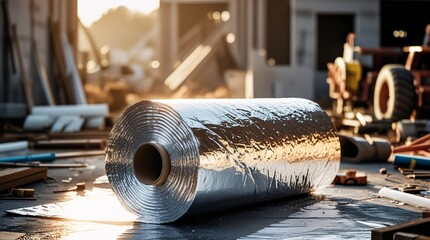
The material typically consists of a thin sheet of aluminum foil attached to a backing material. The foil surface reflects radiant heat instead of absorbing it. When installed properly, it can significantly reduce the amount of heat that enters a home through the roof.
Radiant heat is one of the main forms of heat transfer. Sunlight heats roofing materials during the day, and that heat radiates downward into the attic space. Without a barrier, this heat continues to spread through insulation and ceilings into the living areas.
Radiant barrier foil interrupts this process by reflecting much of the heat back toward the roof. As a result, less heat accumulates in the attic and less heat enters the interior of the home.
This reflective technology makes radiant barrier foil especially useful in environments where sunlight creates intense roof temperatures.
How Radiant Barrier Foil Reduces Heat Transfer
To understand how radiant barrier foil works, it is helpful to consider how heat moves through a building. Heat can transfer through conduction, convection, and radiation.
Conduction occurs when heat moves through solid materials such as wood or drywall. Convection involves the movement of warm air through spaces. Radiation occurs when heat travels in the form of energy waves.
Radiant heat from the sun is responsible for much of the temperature increase inside attics. When sunlight heats roofing materials, that heat radiates downward toward the attic floor and insulation.
Radiant barrier foil reflects a large portion of this radiant energy before it can be absorbed by attic materials. By reflecting the heat away, the foil helps maintain lower attic temperatures.
When the attic remains cooler, the temperature difference between the attic and the living space below is reduced. This means that less heat passes through ceilings and walls.
As a result, air conditioning systems do not need to work as hard to maintain comfortable indoor temperatures.
Installation of Radiant Barrier Foil
Radiant barrier foil is typically installed in attic spaces where it can effectively reflect heat before it enters the living areas of the home. The installation location plays an important role in how well the barrier performs.
One common method involves attaching the foil to the underside of the roof rafters. In this position the foil reflects heat away from the attic space before it can accumulate.
Another installation method involves placing the radiant barrier across the attic floor, above existing insulation. This approach reflects heat upward and prevents it from penetrating deeper into the attic.
During installation it is important to maintain proper spacing around the foil so that air can circulate freely. Air movement helps remove reflected heat and prevents it from becoming trapped.
Careful installation ensures that the reflective surface faces the correct direction and remains unobstructed. Dust or debris on the foil surface can reduce its reflective efficiency.
When installed correctly, radiant barrier foil can significantly improve attic temperature control and overall energy efficiency.
Benefits of Using Radiant Barrier Foil
Radiant barrier foil offers several advantages for homeowners seeking better temperature control and improved energy performance. One of the most noticeable benefits is reduced attic heat.
By reflecting radiant energy away from the attic, the foil helps keep attic temperatures lower during sunny days. This reduction in heat can improve comfort in the living areas below.
Lower attic temperatures can also reduce the strain on cooling systems. When less heat enters the home, air conditioning units can operate more efficiently.
Energy savings are another potential benefit. Reduced cooling demand may contribute to lower energy consumption over time.
Radiant barrier foil may also help protect roofing materials. Excessive heat buildup in the attic can accelerate wear on roof components. Reflecting heat away can contribute to longer roof lifespan.
Another advantage is that radiant barrier foil does not lose effectiveness through compression like some traditional insulation materials. As long as the reflective surface remains clean and properly positioned, it continues to perform effectively.
These benefits make radiant barrier foil a practical addition to many homes.
Radiant Barrier Foil Compared to Traditional Insulation
Radiant barrier foil is sometimes confused with traditional insulation materials, but the two serve different purposes. Traditional insulation works by slowing the transfer of heat through conduction and convection.
Materials such as fiberglass and cellulose trap air within their structure, creating resistance to heat movement. These materials are essential for maintaining stable indoor temperatures.
Radiant barrier foil focuses specifically on reducing radiant heat transfer. Instead of trapping heat, it reflects radiant energy away from the space.
Because of this difference, radiant barriers are often used alongside traditional insulation rather than replacing it. The combination of reflective barriers and thermal insulation provides a more complete approach to temperature control.
Traditional insulation slows heat that has already entered the attic, while radiant barrier foil helps prevent that heat from entering in the first place.
Using both systems together can enhance overall home energy efficiency.
Long Term Durability and Maintenance
Radiant barrier foil is known for its durability and long lifespan. Because the material contains no moving parts and relies on simple reflective properties, it typically requires minimal maintenance.
However, maintaining a clean reflective surface is important for optimal performance. Dust accumulation on the foil can reduce its ability to reflect heat effectively.
Periodic attic inspections allow homeowners to check the condition of the barrier. Ensuring that the foil remains securely attached and unobstructed helps maintain its efficiency.
Proper attic ventilation also supports the effectiveness of radiant barriers. Ventilation allows reflected heat to escape rather than becoming trapped in the attic space.
When installed and maintained correctly, radiant barrier foil can remain effective for many years, providing consistent performance without the need for frequent replacement.
Why Radiant Barrier Foil Is Popular in Modern Homes
Radiant barrier foil has become increasingly popular as homeowners seek energy efficient solutions for managing indoor temperatures. As energy costs rise and awareness of sustainability grows, many people look for ways to improve home performance.
Reflective barriers offer a simple yet effective approach to reducing heat gain through the roof. Because they rely on natural sunlight reflection rather than mechanical systems, they operate without consuming energy.
Radiant barriers are also compatible with many different roofing and insulation systems. This flexibility allows them to be integrated into both new construction and existing homes.
Homeowners often appreciate the passive nature of the technology. Once installed, the barrier continues to perform without requiring active operation or adjustments.
These qualities make radiant barrier foil an appealing option for those seeking long term energy efficiency improvements.
Conclusion: Improving Home Comfort with Radiant Barrier Foil
Radiant barrier foil provides a practical solution for reducing attic heat and improving home energy efficiency. By reflecting radiant heat away from the attic space, it helps maintain cooler temperatures and reduces the amount of heat that enters living areas.
This reflective insulation technology works best when combined with traditional insulation and proper attic ventilation. Together, these systems create a balanced approach to controlling heat transfer.
With its simple design, long lasting durability, and potential energy saving benefits, radiant barrier foil has become a valuable addition to modern home construction and renovation projects.
For homeowners seeking greater comfort and efficiency, installing a radiant barrier can be an effective step toward creating a cooler and more energy efficient home environment.